World Blood Donor Day falls on 14th June annually. It is a day dedicated to celebrating voluntary blood donors and emphasising the critical need for a stable blood supply to strengthen our healthcare systems. This year’s campaign slogan, “One Drop of Humanity. Give Blood. Saves Lives.”, serves as a powerful reminder that a simple act of generosity can be a lifeline for someone in crisis.
Fun Fact 1: The World Health Organisation introduced June 14th as the World Blood Donor Day to commemorate the birthday of Karl Landsteiner, the Nobel Prize-winning scientist who discovered the ABO blood group system.
An irreplaceable resource
Despite rapid advancements in medical technology, blood cannot be manufactured synthetically. Human donors remain the sole provider of this life-saving resource. Every day, hospitals rely on a steady supply of blood for patients with various conditions, including trauma victims experiencing acute blood loss, mothers facing severe complications during childbirth, and chemotherapy patients whose bone marrow function is suppressed.
From a single whole blood collection, laboratories can separate various vital components, including red blood cells, plasma and platelets. Each component serves a highly specific medical purpose. For instance, red blood cells are administered to patients with anaemia while platelets are transfused to individuals who suffer from certain bleeding disorders.
Fun fact 2: The logistics of blood storage is time-sensitive. The shelf life of platelet concentrate is as short as 5 days.
Overcoming the Supply Challenge
Blood donation campaigns are regularly organised nationwide. However, blood banks often experience fluctuations in supply, especially during festive seasons and holidays. Because blood has a limited shelf life, hospitals require a continuous supply of donations to meet ongoing needs. A shortage of blood products affect the efficiency of healthcare systems, delaying routine surgeries and emergency responses alike.
The challenge here is to ensure sustained growth in regular, voluntary blood donation by raising public awareness. Misconceptions continue to deter potential donors. Fear of needles, worries about contracting diseases from donation equipment and anxieties regarding long-term health effects are common. In reality, blood donation is a highly regulated, safe and straightforward process. Healthcare professionals and hospitals play a vital role in debunking these myths on blood donation.
Fun fact 3: The body replenishes blood supply rapidly. The lost blood volume from blood donation is replaced as fast as 24-48 hours, while the red blood cells are replenished over the following weeks.
The Role of the University Community
As educators, we are at a unique position to shift the culture around blood donation. Collaborations between campus organisations and local blood centres, integration of awareness programmes into campus activities, including the publication of articles like this, provide a secure, familiar environment for first-time donors to take the leap. This cultivates a lifelong habit of giving. When students donate, they naturally spread the message to their peers and family, creating a ripple effect of awareness.
In our highly connected digital era, technology is a pivotal tool. Mobile applications with reminder systems, targeted social media announcements and even AI-generated education content increase the visibility of blood donation campaigns. These platforms can also be used to highlight and acknowledge the contributions of blood donors, fostering the spirit of humanity.
World Blood Donor Day is not merely a celebration of existing donors. It is a powerful reminder that every healthy individual has the potential to become a lifesaver for not only one, but multiple lives. Together we can ensure that safe blood is available for everyone, everywhere, exactly whenever it is needed.

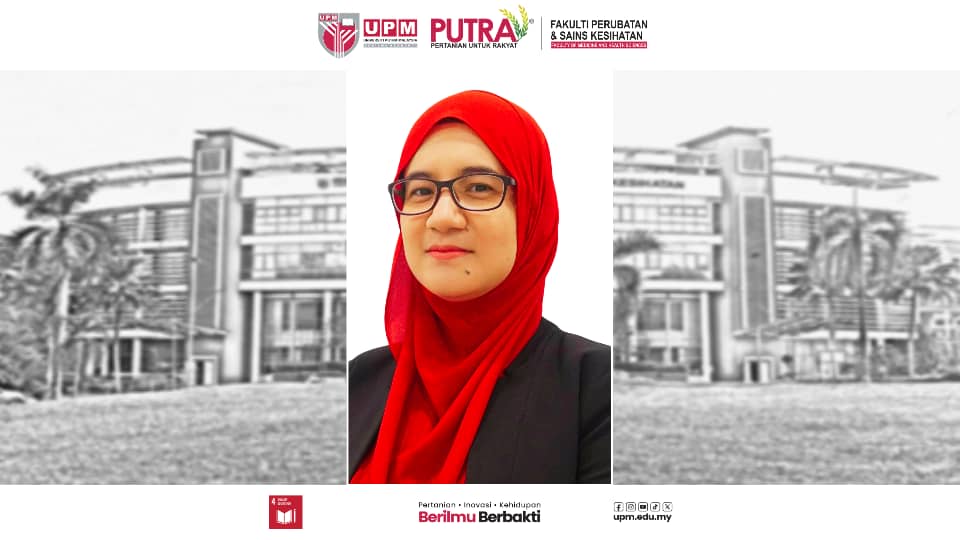
Dr. Lai Yin Ye
Senior Medical Lecturer
Department of Pathology
Chemical Pathology
Faculty of Medicine and Health Sciences
Universiti Putra Malaysia
010-4612027
laiyinye@upm.edu.my
Date of Input: 13/06/2026 | Updated: 15/06/2026 | nadia_rahman
MEDIA SHARING





.png)
.png)