Beyond the Diagnosis: Standing Together Against Loneliness on World Down Syndrome Day
She was a giggly little girl in a floral dress and a colourful necklace, brimming with excitement, eager to show off her outfit to the doctor who had cared for her since the day she was born. The room filled with laughter when her consultant noticed her dress. For a brief moment I almost forgot that, as a junior doctor, I was meant to be carefully assessing her clinical features.
That brief moment captured something essential about caring for children with Down syndrome: beyond the diagnosis is a child full of personality, joy, and a life full of possibility.
Every year on 21 March, the world observes World Down Syndrome Day, a global awareness day recognised by the United Nations. The date symbolises the triplication of chromosome 21 — the genetic difference that causes Down syndrome. In 2026, the theme “Together Against Loneliness” highlights an issue that often receives less attention than medical complications but has profound consequences for wellbeing.
Down syndrome is a genetic condition caused by the presence of an extra copy of chromosome 21. It may be associated with certain distinctive physical features, learning differences, and medical conditions. However, Down syndrome does not define a person’s potential, personality, or capacity to lead a meaningful life. With appropriate healthcare, early intervention, and inclusive education, many individuals with Down syndrome grow into adults who actively participate in their communities.
Medical advances have transformed outcomes dramatically. Improvements in paediatric cardiology, neonatal care, and early developmental support have significantly extended life expectancy over the past few decades. Many children who once might not have survived infancy are now living well into adulthood — a remarkable testament to what modern medicine can achieve.
Yet longer lives have revealed new and subtler challenges. As individuals transition from childhood into adolescence and adulthood, they frequently encounter barriers in education, employment, and social participation. These barriers can accumulate into something more insidious: loneliness — a serious public health concern increasingly recognised for its impact on both mental and physical health.
Loneliness is not simply the absence of company. It emerges when there is a gap between the social connection a person desires and what they actually experience. Research suggests that individuals with intellectual disabilities, including Down syndrome, face heightened risks of social isolation due to stigma, limited employment opportunities, and restricted social networks. Social exclusion erodes self-esteem, curtails independence, and diminishes quality of life.
The roots of this loneliness often lie not within the individual, but in societal attitudes. Many people with Down syndrome encounter persistent assumptions about their incompetence. Expectations are lowered, opportunities withheld, and independence quietly undermined through well-meaning but ultimately limiting overprotection. Such barriers prevent individuals from forming friendships, exploring employment, and building identities of their own.
Employment, in particular, plays a critical role in social inclusion. Meaningful work fosters self-confidence, financial independence, and a sense of belonging. Studies have shown that adults with intellectual disabilities who participate in supported employment report higher life satisfaction and broader social networks than those who remain excluded. Yet employment rates for adults with Down syndrome remain far below those of the general population in many countries. In Malaysia, estimates suggest that less than one percent of persons with disabilities are formally employed — among the lowest participation rates in the region.
Communication can also shape inclusion. Some individuals with Down syndrome use augmentative communication systems such as Makaton, which combines speech with signs and symbols to support understanding. While families, therapists, and teachers may learn these systems, the wider community rarely does. A truly inclusive society requires that we also make the effort to communicate in ways that are accessible to everyone.
Reducing loneliness therefore requires more than clinical care. It demands coordinated action across healthcare, education, employment, and social policy. Inclusive classrooms, supportive workplaces, accessible infrastructure, and community programmes all play a role in building environments where people with Down syndrome can thrive.
Families also need sustained support — emotional, social, and financial — as they navigate a lifelong journey alongside their loved ones. When families are supported, individuals with Down syndrome are better positioned to pursue independence, build relationships, and participate fully in society.
The little girl in the floral dress will grow up. The question is whether she will grow into a world that includes her.
This World Down Syndrome Day, the call to stand “Together Against Loneliness” reminds us that inclusion is a shared responsibility. When clinicians, educators, employers, policymakers, and communities work together, we can ensure that people with Down syndrome are not only cared for but truly connected, valued, and empowered to flourish.

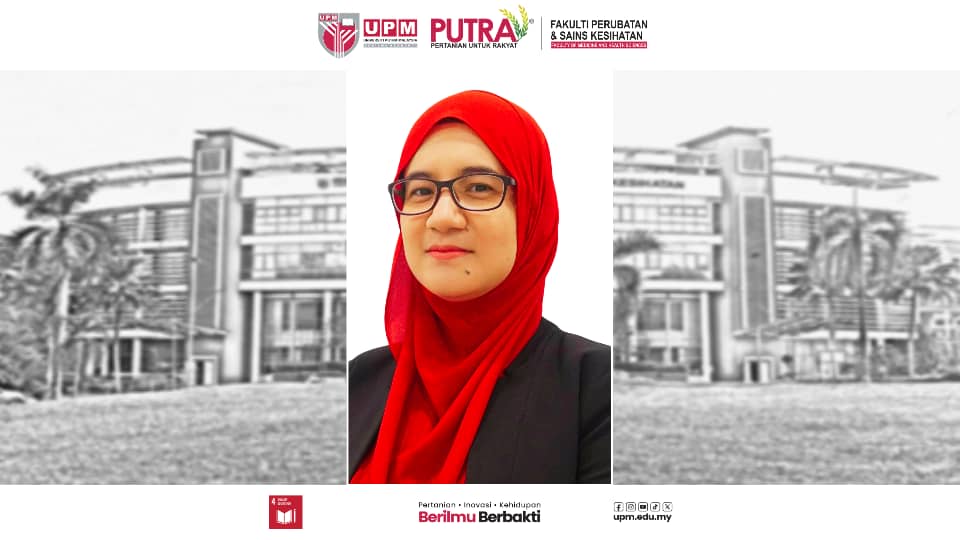
Dr Sithra Rengasamy
Paediatrician/Medical Lecturer
Faculty of Medicine and Health Sciences
Universiti Putra Malaysia
0126923262
sithra@upm.edu.my
Date of Input: 16/03/2026 | Updated: 18/03/2026 | nadia_rahman
MEDIA SHARING





.png)
.png)