World Environment Day 2024
Land restoration, desertification and drought resilience
According to the United Nation Convention to Combat Desertification, up to 40 per cent of the planet's land is degraded, directly affecting half of the world's population. The number and duration of droughts has increased by 29 per cent since 2000. Without urgent action, droughts may affect over three-quarters of the world's population by 2050.
Malaysia is rich in biodiversity with rich land and water ecosystems. Land-use changes and land degradation caused by factors such as extensive agriculture, deforestation, and unmanaged urbanization, are reducing the biodiversity of many land ecosystems. Healthy soils store massive amounts of carbon, which, if released, would cause a huge spike to planetary warming. Changes in water courses, pollution and unsustainable consumption of water resources are causing water related stress and reduced aquatic biodiversity. Globally the equivalent of one football pitch of soil is eroded every 5 seconds. Yet, it takes 1,000 years to generate 3 centimetres of topsoil.
Pollution, climate change, and ecological crises are the current planetary challenges with global food insecurity being a direct consequence of these crises. Additionally, the expected increase in the world's population, with a predicted two billion-person increase by 2040 and Malaysia's population projected to reach 41.5 million, adds further complexity and challenges to the issue.
Through the United Nation Decade on Ecosystem Restoration (2021-2030), solutions are scaling for the protection and revival of ecosystems all around the world to increase drought and climate resilience and reduce land degradation. By restoring land and productive systems, humanity can secure a nature-positive, net-zero future and safeguarding a healthy planet for all.
As an individual or organization, we can make a positive impact by embracing sustainable practices in our daily lives, conserving resources, and advocating for eco-friendly solutions. Even small steps like planting trees, reducing waste, or supporting renewable energy contribute to a significant change. Together we can ensure a thriving future for our planet.

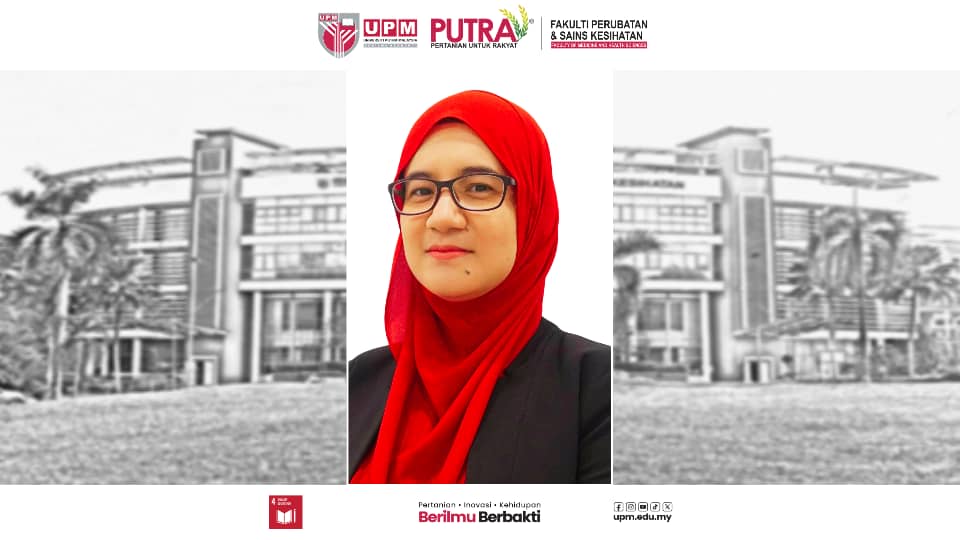
Dr. Saliza Mohd Elias
Department of Environmental and Occupational Health
Faculty of Medicine and Health Sciences, Universiti Putra Malaysia
Date of Input: 05/06/2024 | Updated: 23/07/2024 | nadia_rahman
MEDIA SHARING





.png)
.png)