World Heart Day: Combating Cardiovascular Disease in Malaysia
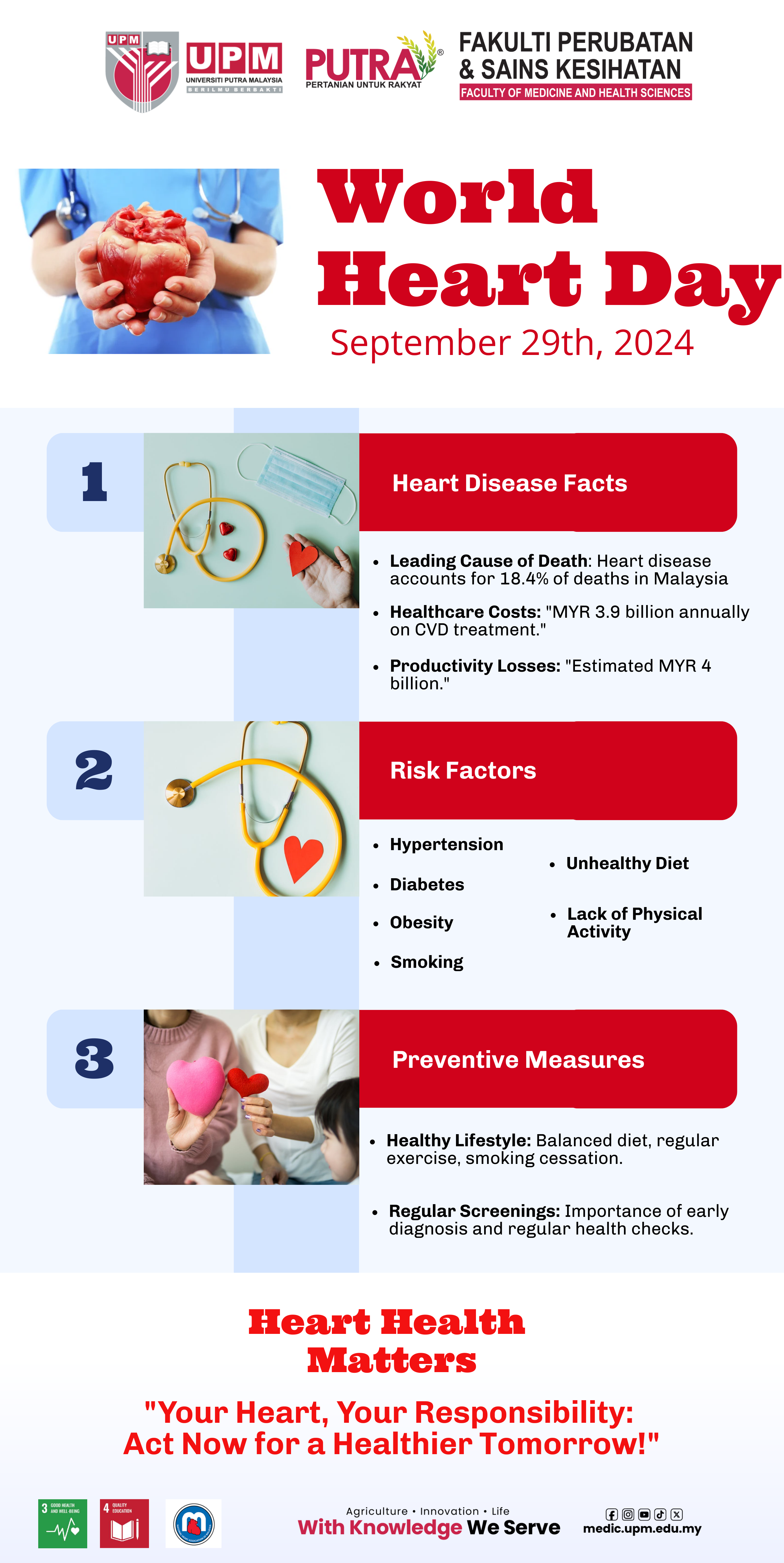
Cardiovascular disease (CVD) remains a formidable challenge for Malaysia, being the leading cause of premature deaths in the nation. As we approach World Heart Day, it is imperative to raise awareness about the impact of heart disease and the steps we can take to mitigate its effects.
According to recent reports by the Department of Statistics Malaysia, heart disease accounts for 18.4% of medically certified deaths in Malaysia, particularly affecting those under 50 years old. This trend is alarming, as it signifies not just a health crisis but also a socio-economic burden on the nation. Treating CVD costs Malaysia approximately MYR 3.9 billion annually, with additional productivity losses estimated at MYR 4 billion.
The National Heart Association of Malaysia highlights that more citizens are being diagnosed with CVD than ever before. Symptoms are emerging earlier in life, with many patients presenting life-threatening acute coronary syndrome (ACS) before the age of 50. This increase is attributed to the rising prevalence of established CVD risk factors and an ageing population.
The rising prevalence of risk factors such as hypercholesterolemia, hypertension, diabetes, and obesity are contributing significantly to the increase in CVD cases. Despite efforts to raise awareness, many Malaysians remain undiagnosed, leading to delayed interventions and worsening complications.
Coronary care services in Malaysia have expanded significantly, catering to an increasing number of ACS patients. Advances in diagnostic cardiac biomarkers and interventional therapeutics have led to more diagnoses and a greater demand for interventions like angioplasty, especially in high-risk non-ST-elevation ACS cases.
The Malaysian government and healthcare institutions have initiated various programs to address this growing crisis. The National Strategic Plan for Non-Communicable Disease (NSPNCD) 2016-2025, along with regular updates to clinical practice guidelines, aims to improve CVD management. Programs like the PeKa B40 provide free health screenings and medical subsidies to low-income populations, helping to reduce their treatment burden.
As we observe World Heart Day, it’s crucial for Malaysians to take proactive steps towards heart health. Regular health screenings, adopting a healthier lifestyle, and being aware of the symptoms of heart disease can save lives. Smoking cessation, maintaining a balanced diet, and engaging in regular physical activity are vital in reducing CVD risk.
Cardiovascular disease remains a critical health challenge in Malaysia. However, with concerted efforts from the government, healthcare professionals, and the public, we can turn the tide against this disease. This “World Heart Day” let’s pledge to take care of our hearts and encourage our loved ones to do the same.

Assoc. Prof. Dr Yong Yoke Keong
Associate Professor
Department of Human Anatomy
Faculty of Medicine and Health Sciences, Universiti Putra Malaysia
Date of Input: 29/09/2024 | Updated: 06/01/2025 | nadia_rahman
MEDIA SHARING





.png)
.png)