World Sickle Cell Day: Closing the Survival Gap – Equity in Sickle Cell Disease
Every year on 19 June, the world commemorates World Sickle Cell Day to raise awareness about this serious yet often misunderstood genetic disorder. The theme for this year is “Closing the Survival Gap: Equity in Sickle Cell Disease.” Sickle cell disease is most prevalent among populations in Africa, the Middle East, India, and parts of the Mediterranean region. However, global migration has led to the presence of the disease worldwide. Therefore, awareness among healthcare professionals and the general public is crucial to ensure timely diagnosis and appropriate management.
In Malaysia, Sickle Cell Disease (SCD) is relatively rare compared to thalassaemia. Nevertheless, it remains an inherited blood disorder caused by mutations in the haemoglobin gene. Only a small number of SCD cases and sickle cell trait carriers have been documented in Malaysia, with most cases occurring among Malaysian Indians, particularly those with ancestral origins from the Indian state of Odisha, where the sickle cell gene is highly prevalent.
Isolated cases have also been reported among the Malay population, where intermarriage and migration have contributed to the occurrence of SCD in Malaysia. Many individuals carrying the sickle cell gene (HbS) in Malaysia tend to exhibit relatively mild clinical manifestations. Studies suggest that this is often due to the co-inheritance of α-thalassaemia, which naturally reduces the severity of red blood cell haemolysis.
Sickle cell disease is inherited in an autosomal recessive manner, meaning that an individual must inherit an abnormal gene from both parents to develop the disease. Individuals who inherit only one abnormal gene are known as sickle cell trait carriers and usually do not experience significant symptoms. Therefore, genetic screening and counselling before marriage or pregnancy play an important role in reducing the risk of affected births.
Under normal circumstances, red blood cells are round and flexible, allowing them to move easily through blood vessels. In sickle cell disease, however, red blood cells become crescent- or sickle-shaped, making them rigid and prone to sticking together, particularly under conditions of physiological stress. These abnormal cells can obstruct blood flow and reduce oxygen delivery to vital organs. As a result, patients may experience complications such as bone pain crises, myocardial infarction, chronic anaemia, recurrent infections, organ damage, and stroke.
Absence of a National Screening Programme
As SCD is not considered a major public health crisis in Southeast Asia, Malaysia does not currently implement universal newborn screening specifically for sickle cell disease. Diagnosis is often made only after symptoms develop or during antenatal screening programmes.
Pregnancy-Related Complications
The management of pregnant women with SCD remains particularly challenging due to the rarity of the condition locally. Case reports from Malaysian hospitals have demonstrated a high risk of severe pre-eclampsia, deep vein thrombosis (DVT), and intrauterine growth restriction (IUGR), necessitating a coordinated multidisciplinary approach involving obstetricians, haematologists, physicians, and other healthcare professionals.
Treatment Options
Standard supportive care, including blood transfusions, hydroxyurea therapy, and pain management, is available through haematology services at major tertiary referral centres such as Hospital Kuala Lumpur (HKL) and the University of Malaya Medical Centre (UMMC). Curative options, including haematopoietic stem cell transplantation (bone marrow transplantation), may be considered for selected patients with complex haematological disorders at these specialised centres.
In conjunction with World Sickle Cell Day, let us increase the understanding of this condition, support early screening initiatives, and help eliminate stigma associated with the disease. Continuous public education can facilitate earlier diagnosis, improve access to treatment, and ultimately enhance long-term health outcomes.
Sickle cell disease is not merely a blood disorder; it is a global health challenge that requires collaboration among healthcare providers, policymakers, researchers, patients, and communities.

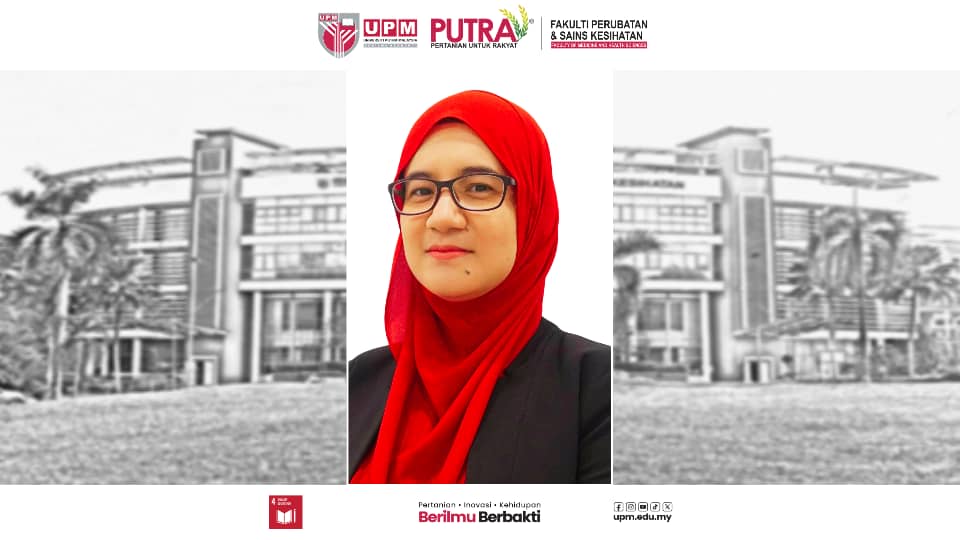
Associate Professor Dr. Bahariah Khalid
Senior Consultant in Haematology and Internal Medicine
Haematology Unit
Department of Medicine
Faculty of Medicine and Health Sciences
Universiti Putra Malaysia
bahariah@upm.edu.my
Date of Input: 18/06/2026 | Updated: 18/06/2026 | nadia_rahman
MEDIA SHARING





.png)
.png)