Self-care is Healthcare
Every year on July 24, the world comes together to celebrate International Self-Care Day a timely reminder that taking care of our own health is not a luxury, but a lifelong commitment. The date, 7/24, was intentionally chosen to symbolize that self-care can and should be practiced 24 hours a day, 7 days a week.
The day was established by the Global Self-Care Federation (GSCF) to raise awareness about self-care as a foundational element of both health systems and personal health practices. It is a call to action encouraging individuals, communities, and healthcare institutions to place greater emphasis on proactive, preventive health strategies.
Key Messages of International Self-Care Day
International Self-Care Day delivers several core messages that transcend age, geography, and background:
- Self-care is essential, not optional
Taking time for yourself isn't selfish it’s a necessary investment in your physical, mental, and emotional well-being.
- Self-care is multidimensional
It includes physical, mental, emotional, spiritual, and social health. True self-care nourishes the whole person, not just isolated aspects of health.
- Empowerment through knowledge
A well-informed individual is better equipped to make effective decisions about their health. Self-care promotes health literacy, encouraging people to navigate health systems with confidence.
- Accessible self-care saves lives and reduces costs
When individuals can manage minor ailments, maintain healthy routines, or monitor chronic conditions at home, it eases pressure on overburdened healthcare systems and promotes efficiency.
- A culture of self-care benefits society
Communities, workplaces, and institutions that support self-care foster resilient populations, improve overall health outcomes, and contribute to economic sustainability.
Self-care isn’t about indulgence or isolation. It encompasses a wide range of health-promoting actions daily habits, informed choices, and personal empowerment that help individuals maintain health, prevent illness, and cope with life's challenges.
Especially within the global context of universal health coverage (UHC), rising chronic disease burdens, and public health emergencies like the COVID-19 pandemic, self-care has emerged as an indispensable, sustainable strategy. It not only protects individual well-being but also strengthens the resilience of healthcare systems around the world.
What Does Self-Care Look Like?
Self-care is deeply personal, adaptable to every individual’s needs, lifestyle, and cultural context. Below are common but powerful examples of practical self-care in everyday life:
Physical Health
- Engage in regular physical activity
- Eat balanced, nutritious meals
- Stay hydrated throughout the day
- Prioritize adequate rest and quality sleep
Mental and Emotional Well-Being
- Set realistic goals and manage expectations
- Practice mindfulness, deep breathing, or journaling
- Take breaks and give yourself permission to pause
Spiritual and Social Wellness
- Spend meaningful time with family and loved ones
- Engage in spiritual practices such as faith, prayer, or meditation
- Cultivate a sense of belonging and connection
sihat
Preventive and Responsible Health Behaviours
- Stay informed through trusted health sources
- Attend regular medical checkups and screenings
- Use medications responsibly and seek timely medical advice
On this International Self-Care Day, let us reflect on how we care for ourselves and how we can encourage and support others to do the same. Whether through small acts or sustained habits, self-care is the foundation for a healthier, happier, and more resilient society.

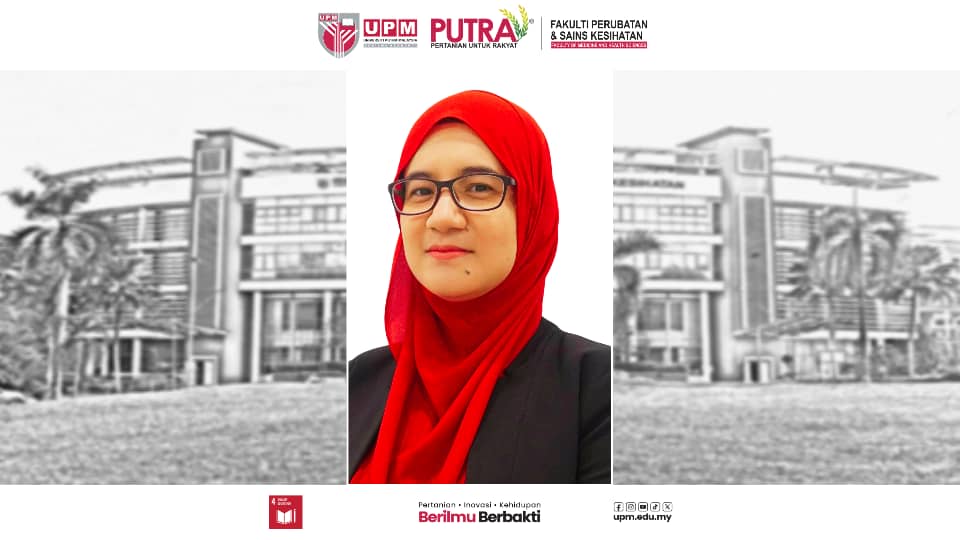
Dr. Norhasliza binti Abu Bakar
Medical Lecturer
Department of Community Health
Faculty of Medicine and Health Science
Public Health (Epidemiology and Occupational Health)
+6013 2594858 / norhaslizaabu@upm.edu.my
Universiti Putra Malaysia
Date of Input: 24/07/2025 | Updated: 24/07/2025 | nadia_rahman
MEDIA SHARING





.png)
.png)