HIV/AIDS After Nearly 4 Decades
HIV/AIDS, transmitted through contact with body fluids such as blood, reproductive fluids, breast milk, and other bodily fluids. It was first documented in 1981. Initially, in the early 1980s, the infection patterns were predominantly observed among homosexual men and individuals using injectable drugs.
From the time of its detection up to 2023, the HIV/AIDS epidemic has claimed 42.3 million lives worldwide. In 2023 alone, it was estimated that 630,000 infected individuals died, while 1.3 million new infections were recorded.
Most symptomatic individuals who tested positive for HIV showed signs of lung infections along with severe immunocompromised, often leading to death. Without treatment, HIV-positive individuals can develop other infectious diseases, such as tuberculosis, cryptococcal meningitis, severe bacterial infections, and a higher likelihood of cancers like lymphoma or Kaposi's sarcoma.
The pattern of infection has since spread globally. This distribution is no longer limited to those engaging in high-risk intimate relationships, as it now threatens pregnant women, children, and those not involved in risky lifestyles.
In Malaysia, for instance, HIV/AIDS infections were first detected in 1986. While clinical reports show dominant patterns among homosexual and bisexual individuals, the epidemic in Malaysia during the 1980s and 1990s mainly affected those injecting illicit drugs, as well as some cases among pregnant women and newborns.
The implementation of harm reduction programs, including measures to stop needle sharing among people who inject drugs, has reduced HIV/AIDS transmission through needle-sharing. Likewise, various programs addressing HIV cases among pregnant women and children have successfully reduced infection rates in these groups.
Data from the Malaysian Ministry of Health shows a significant reduction in HIV/AIDS cases due to vertical transmission (from mother to child), with Malaysia being the first country in the Asia Pacific region to eliminate HIV/AIDS through mother-to-child transmission. Since 2016, the infection rate in this group has remained at 1.8%.
After nearly 4 decades of HIV/AIDS in Malaysia, infection rates initially rose during the 1980s and 1990s but began declining from the 2000s onward. For instance, new HIV cases dropped by 65%, from 6,978 in 2002 to 3,177 in 2022.
New HIV/AIDS cases have plateaued from 2010 to the latest data in 2023. While infection rates among pregnant women and children have decreased, we face a situation that requires greater initiative and commitment from all involved.
The percentage among those practicing high-risk intimate relationships, particularly men with men or bisexual individuals, has significantly increased. Currently, this mode of transmission dominates the number of individuals testing positive for HIV. From a demographic perspective, the highest percentage of new HIV cases is found among those aged 20-29, mostly among individuals who are newly entering the workforce or still in education.
Our region remains constrained by stigma and negative perceptions toward individuals who choose different sexual orientations. Such stigma and negative perceptions are barriers to access screening and treatment for some individuals.
In terms of prevention and control, support is essential to strengthen advocacy against the spread of these high-risk behaviors. Strengthening family bonds, support from friends who maintain a healthy lifestyle, faithfulness to one's partner, and adherence to religious practices are core pillars in ensuring that our youth are protected from risky behaviors that could expose them to HIV/AIDS infection.

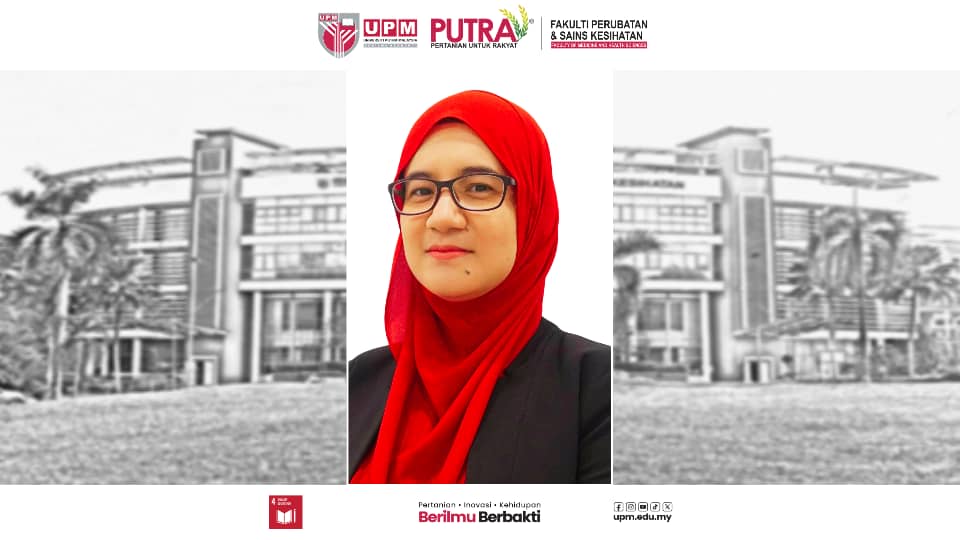
Assoc. Prof Dr. Malina Osman
Public Health Physician
Department of Community Health
Faculty of Medicine and Health Sciences
Universiti Putra Malaysia
Date of Input: 01/12/2024 | Updated: 01/12/2024 | nadia_rahman
MEDIA SHARING





.png)
.png)