Introduction
World Autism Awareness Day is celebrated every April 2nd, with this year’s theme, “Autism and Humanity – Every Life Has Value.” The theme emphasizes that every individual, including those on the autism spectrum, has inherent value and potential that must be appreciated.
Throughout April, communities are encouraged to organise activities that raise awareness about autism. These activities not only enhance understanding but also promote acceptance and support for individuals on the spectrum.
Global and Malaysian Statistics
According to the latest statistics from the World Health Organisation, it is estimated that 1 in 100 children are on the autism spectrum. This figure highlights autism as a global health issue requiring serious attention.
In Malaysia, data from the Ministry of Health shows a yearly increase in the number of children identified with autism. This rise is not solely due to more cases but also reflects greater parental awareness and advances in early diagnosis.
Theme 2026: Autism and Humanity
The theme “Autism and Humanity – Every Life Has Value” reminds us that autism is not merely a medical diagnosis. It is part of human diversity that must be respected.
Every individual with autism has unique potential that can contribute to society. With the right support, they are capable of achieving success in education, employment, and social life.
The Importance of Early Intervention and Future Planning
Early intervention is a crucial aspect of supporting the development of individuals with autism. With timely detection and appropriate treatment, children can acquire better communication, social, and learning skills. This not only improves their quality of life but also helps them become more independent and competitive.
In addition, comprehensive future planning is key to ensuring a stable and meaningful life for individuals with autism as they grow into adulthood. Such planning involves continuous educational support, inclusive employment opportunities, and access to appropriate health and social services.
With effective early intervention and future planning, we can ensure that every individual with autism is given the opportunity to grow and contribute to society with dignity and value.
The Need to Strengthen Support Systems
Community support systems must be strengthened to ensure that individuals with autism have equal opportunities. This support includes inclusive education, employment opportunities, and access to healthcare services.
Families also require emotional and practical support. Advocacy programs and community networks can help parents manage daily challenges more effectively.
The Role of Institutions and Research
Malaysia must intensify efforts in autism research. Local studies are vital to understanding cultural, social, and environmental factors that influence the development of children with autism.
Academic institutions and research centers should collaborate with government agencies and NGOs to produce more accurate data. These findings can then be used to design policies that are more effective and tailored to Malaysia’s context.
Hope for the Future
When discussing autism, public discourse often highlights the weaknesses of Malaysia’s support system compared to Western countries, and such discussions are frequently accompanied by sympathetic or emotional tones. However, this approach should not stop at criticism or sympathy alone. Instead, society must be mobilized to initiate proactive change, emphasizing future-oriented discussions and involving multiple stakeholders.
In this context, the whole-of-society approach is essential, as efforts to strengthen support for individuals with autism cannot be carried out in isolation or in fragmented ways. It requires comprehensive collaboration among parents, teachers, doctors, scientists, researchers, therapists, policymakers, communities, and non-governmental organizations. Only through more structured, integrated, and inclusive planning can the support system be optimized to help individuals with autism reach their full potential.
This collaborative approach not only strengthens clinical and educational interventions but also opens opportunities for scientific research that is more relevant to local cultural contexts. With the involvement of doctors, scientists, and researchers, empirical evidence can serve as the foundation for stronger policies, while community collaboration ensures that practical support is implemented sustainably. Thus, the integration of knowledge, policy, and community action is the key to building a resilient support ecosystem for individuals with autism in Malaysia.
Conclusion
World Autism Awareness Day is not merely an annual celebration, but a continuous movement throughout April. It reminds us that every life has value and every individual deserves equal opportunities.
By strengthening support systems and expanding autism-related research, Malaysia ensures that individuals on the spectrum are genuinely recognised, valued, and empowered to realize their full potential. This is the true meaning of this year’s theme — Autism and Humanity: Every Life Has Value.
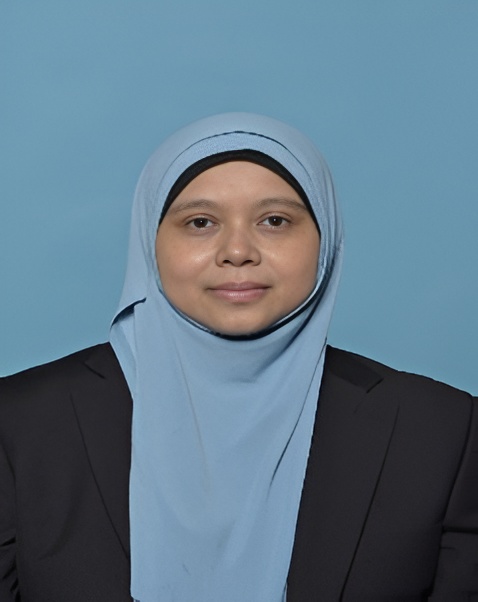
Dr Nor Azyati Yusoff
Medical Lecturer & Paediatrician
Department of Paediatrics
Faculty of Medicine and Health Sciences
Universiti Putra Malaysia, Serdang
Telephone: 03-9769 2610
E-mail: norazyati@upm.edu.my
Date of Input: 02/04/2026 | Updated: 02/04/2026 | nadia_rahman
MEDIA SHARING





.png)
.png)