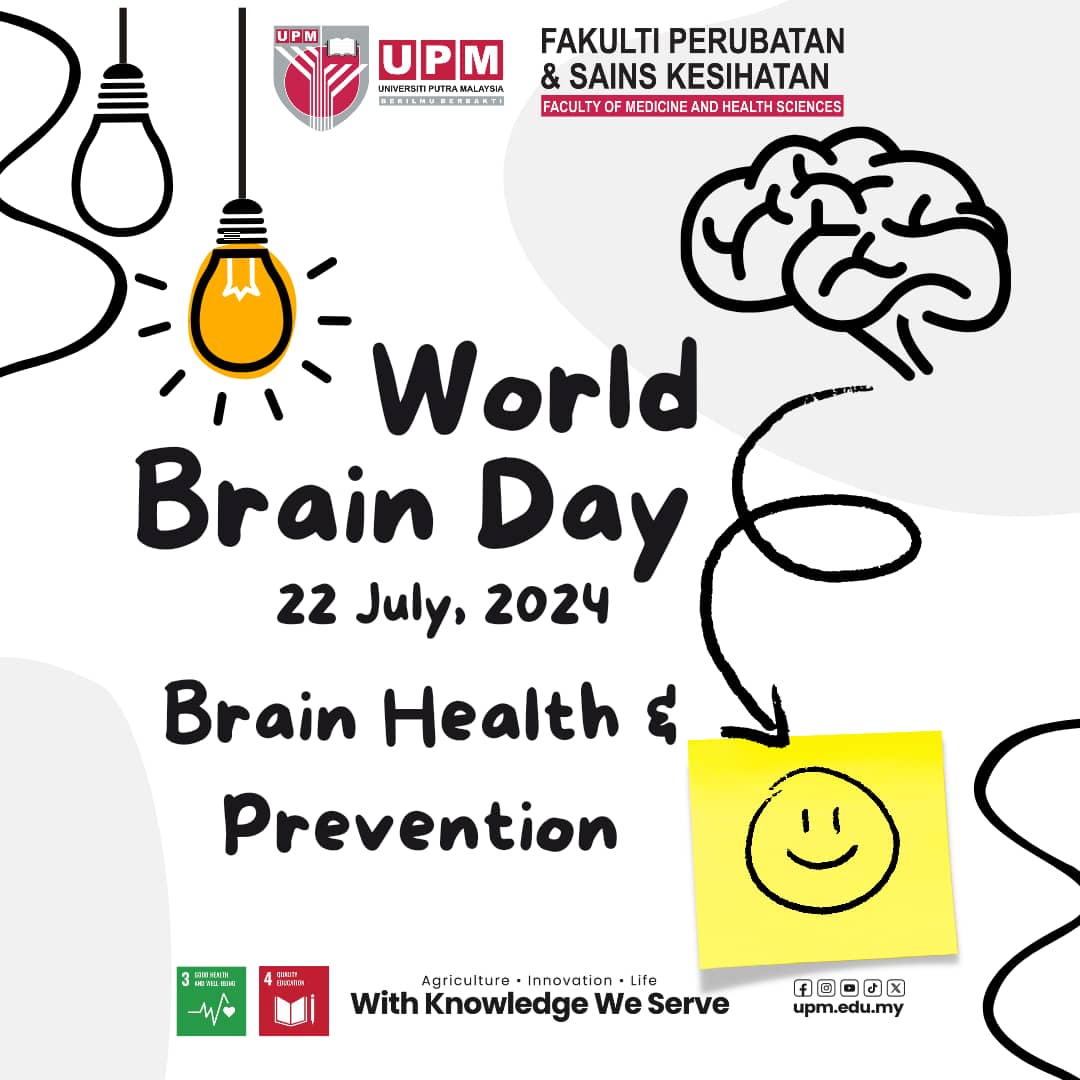
World Brain Day 2024: Prioritizing Brain Health and Prevention
In conjunction with World Brain Day 2024, which is dedicated to Brain Health and Prevention, it is crucial to highlight the significance of maintaining cognitive health. This year's theme encourages us to focus not only on preventing neurological diseases but also on promoting overall brain wellness through proactive measures. As a clinical psychologist, I find it essential to discuss cognitive flexibility and its profound impact on individual and societal well-being.
The Psychological Angle of Cognitive Flexibility
Cognitive flexibility refers to the brain's ability to adapt to new information, switch between different tasks, and think about multiple concepts simultaneously. This mental agility is not just about academic or professional success; it plays a vital role in our everyday lives. For instance, during the COVID-19 pandemic, those with higher cognitive flexibility adapted better to the sudden changes, managing work-from-home routines, and adjusting to new social norms.
Current Events Reflection
Recent global events, such as the ongoing conflict in various parts of the world and the rapid advancements in artificial intelligence, have tested our collective cognitive flexibility. These situations require us to empathize with diverse perspectives and adapt our thinking to address complex problems. For example, understanding the emotional and psychological impact of war on refugees necessitates a flexible and empathetic approach, fostering support systems that can effectively address their needs.
Empathy and Cognitive Flexibility
Empathy is a cornerstone of cognitive flexibility. It allows us to put ourselves in others' shoes, understanding their feelings and perspectives. This skill is invaluable in conflict resolution, improving interpersonal relationships, and enhancing societal cohesion. By fostering empathy, we can create more compassionate communities that are better equipped to handle adversities and promote mental well-being.
Tips for Enhancing Brain Health and Cognitive Flexibility
- Stay Physically Active: Regular exercise has been shown to improve brain health and activities like walking, yoga, and dancing can enhance cognitive flexibility.
- Engage in Lifelong Learning: Challenging your brain with new skills, such as learning a new language or playing a musical instrument, can keep your mind sharp and flexible. Continuous learning encourages neural plasticity, the brain's ability to reorganize itself.
- Practice Mindfulness and Meditation: These practices can improve attention, emotional regulation, and stress management, all of which contribute to better cognitive flexibility. Mindfulness helps us stay present and adapt our thinking more fluidly.
- Foster Social Connections: Strong social networks provide emotional support and intellectual stimulation, both of which are critical for maintaining brain health. Engaging in meaningful conversations and group activities can enhance empathy and cognitive flexibility.
- Prioritize Sleep and Nutrition: Adequate sleep and a balanced diet are fundamental for optimal brain function.
Conclusion
On this World Brain Day, let us commit to prioritizing our brain health through preventive measures and by cultivating cognitive flexibility. By doing so, we not only enhance our individual well-being but also contribute to a more adaptable, empathetic, and resilient society. Remember, a healthy brain is the foundation of a healthy life.

Dr. Siti Irma Fadhilah Ismail
Senior Lecturer
Department of Psychiatry
Faculty of Medicine and Health Sciences, Universiti Putra Malaysia
Date of Input: 05/08/2024 | Updated: 04/09/2024 | nadia_rahman
MEDIA SHARING






.png)
.png)