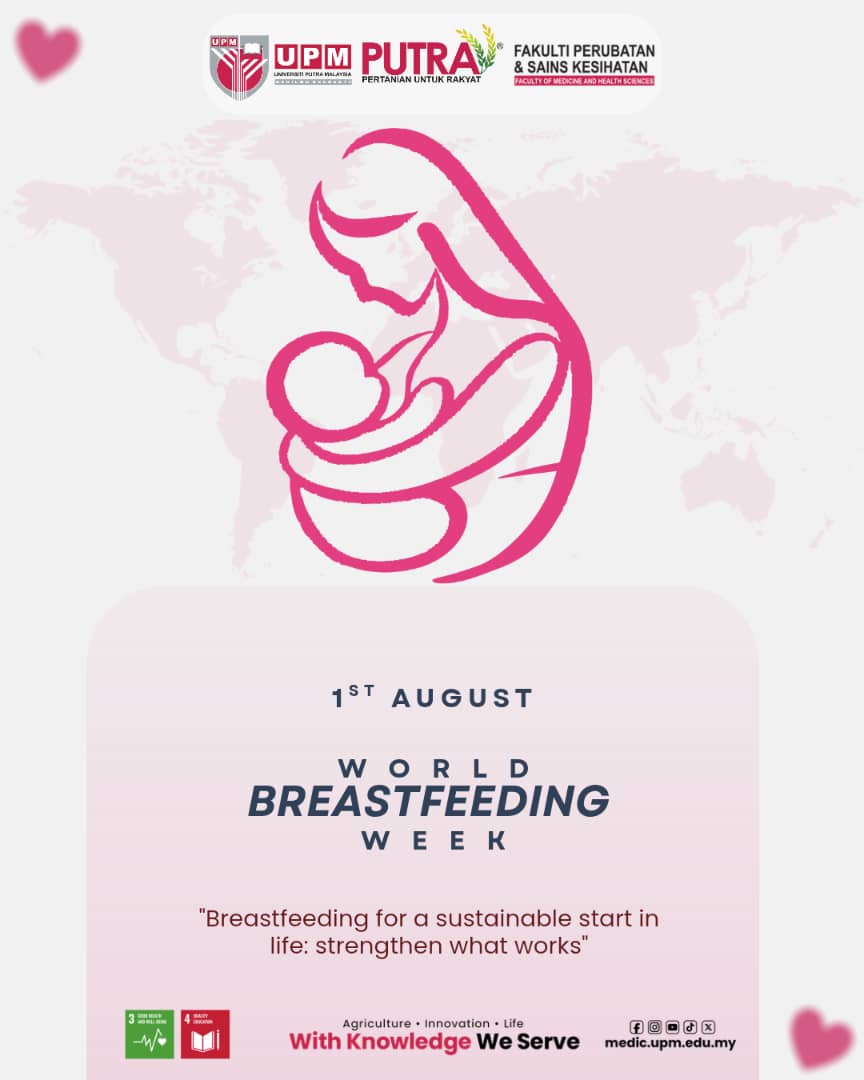
Breastfeeding for a Sustainable Start: Building on Existing Best Practices
Breastfeeding success in Malaysia should not rely solely on individual determination; instead, it requires a sustainable ecosystem. In line with the theme "Breastfeeding for a Sustainable Start: Building on Existing Best Practices," the most effective approach is not to create a new system from scratch, but rather to strengthen, improve, and enforce existing best practices. The stagnation in exclusive breastfeeding rates can be overcome through the mandatory provision of workplace breastfeeding facilities, the introduction of employer incentives (such as special tax deductions or financial grants), and strict regulation of digital marketing for infant formula by social media influencers
In conjunction with World Breastfeeding Week 2026, the focus must shift from mere basic awareness to providing a 'sustainable start' for every child. Although breastfeeding practices within the country's public health facilities are robust, this support is often interrupted once mothers return to the workforce due to various environmental barriers and socioeconomic pressures.
Recent local media reports and commentaries highlight two key challenges that hinder the sustainability of breastfeeding:.
- Workplace guidelines lacking a legal mandate: Establishing breastfeeding-friendly workplaces remains voluntary. In the absence of legal requirements, the private sector and Small and Medium Enterprises (SMEs) often neglect to provide dedicated spaces and breaks for expressing milk. This situation places a burden on working mothers who are already grappling with the rising cost of living and reduced work-from-home flexibility.
- Normalization of formula milk on social media: Aggressive digital marketing—particularly by influencers employing "soft-selling" tactics—often misleads new mothers. During the critical early postpartum period, credible health advice is frequently overshadowed by unethical information that erodes mothers' confidence in breastfeeding.
To bridge the gap between policy and reality, focus must be placed on high-impact solutions that improve existing infrastructure:
- Expanding "Baby-Friendly Hospital" Accreditation to "Lactation-Friendly Employer": Leveraging the existing Baby-Friendly Hospital Initiative (BFHI) framework and extending it to the corporate sector. Tax deductions or preferential government procurement status should be offered as incentives to companies that provide dedicated breast-milk expression spaces and specific break times.
- Integrating Lactation Modules into Public Health Apps: Instead of developing new applications, existing official health databases and apps should be upgraded to provide on-demand virtual lactation support services and map out counselors based on the user's location.
- Regulating Infant Food Marketing Ethics in the Digital Space: Updating the existing Code of Ethics for the Marketing of Infant Foods by mandating health disclaimers and imposing a total ban on paid promotions by content creators on platforms such as TikTok and Instagram.
- Transforming Local Community Centers into Support Hubs: Utilizing existing public premises—such as community halls or community activity centers—as meeting points for peer-to-peer support groups. This measure can provide emotional and practical support services without placing an additional burden on overcrowded health clinics.
- Establishing 'Workplace Lactation Ambassadors': Training at least one human resources officer and one occupational safety and health (OSH) officer in every company to serve as lactation liaisons, ensuring the work environment remains understanding of the needs of breastfeeding mothers.
A sustainable start can only be achieved when existing best practices are revitalized through the firm enforcement of policies. Breastfeeding Week 2026 must serve as a turning point, marked by the implementation of concrete actions rather than merely functioning as an annual campaign.
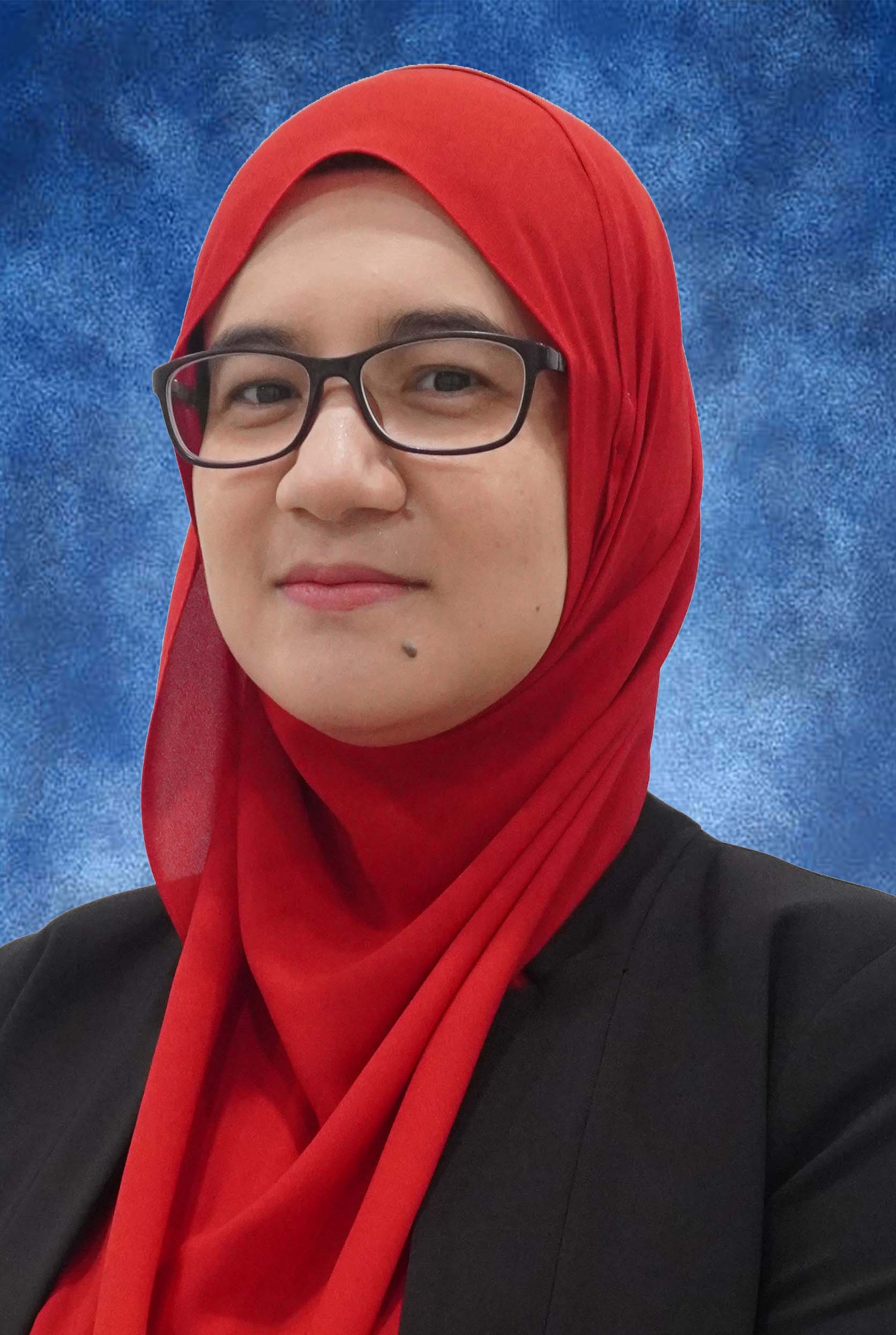
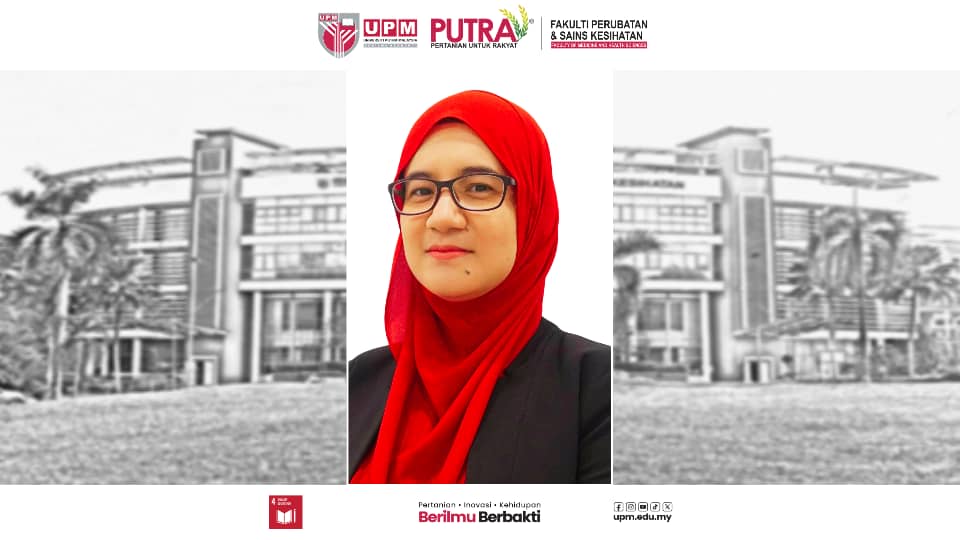
Dr Rima Anggrena binti Dasrilsyah
Clinical Specialist and Lecturer
Department of Obstetrics and Gynaecology
Faculty of Medicine and Health Sciences
Area of Expertise: Obstetrics and Gynaecology
Email Address: rimadasril@upm.edu.my
Date of Input: 03/08/2026 | Updated: 03/08/2026 | noraidaomar
MEDIA SHARING





.png)
.png)