"Improve Our Support Systems": Building a More Inclusive Future
World Down Syndrome Day is celebrated annually on March 21st. The day, recognised by the United Nations since 2012, raises awareness and advocates for individuals with Down syndrome. Down syndrome is a genetic condition affecting approximately 1 in every 700-1,000 births globally. Down syndrome is a genetic condition caused by an extra copy of the 21st chromosome hence the date (21/3) was chosen to symbolise the triplication of the 21st chromosome. The 2025 campaign theme "Improve Our Support Systems" emphasizes that support systems are fundamental human rights, crucial for community inclusion and individual independence.
This year's theme emphasises the fact that everyone needs support sometimes. For individuals with Down syndrome and their families, appropriate support systems are crucial for meaningful community inclusion and the fulfilment of basic human rights. Despite progress in awareness and inclusion, many individuals with Down syndrome still face significant barriers to access to quality education, comprehensive healthcare, and employment opportunities. They also lack autonomy in decision-making with insufficient representation in matters affecting their lives.
Support systems for individuals with Down syndrome require a multifaceted approach built on human rights-based laws and policies. These systems must be designed, implemented, and monitored with active participation from people with Down syndrome themselves, ensuring their voices are heard in decisions that affect their lives. A crucial component is government-provided social protection, which should address both direct costs such as assistive technology, healthcare, and transport, as well as indirect costs including income support for caregiving families.
Support Services in Malaysia
- Kiwanis Down Syndrome Foundation (KDSF) provides early intervention programs, educational support, professional therapy services and access to family support networks.
- Down Syndrome Association of Malaysia offers advocacy programs, community integration initiatives, skills development and family support services.
These organisations also play a crucial role in advocating for the rights of individuals with Down syndrome in Malaysia.
Creating an inclusive society for individuals with Down syndrome requires coordinated action across multiple levels. At the governmental level, this means developing comprehensive support policies, increasing funding for essential services, implementing inclusive education policies, and creating meaningful employment opportunities. Communities play an equally vital role by fostering inclusive environments, actively challenging discrimination, supporting local Down syndrome organisations, and promoting greater understanding and acceptance among their members. These collective efforts help create a society where everyone has the opportunity to thrive and contribute meaningfully.
The responsibility extends to individuals as well, who can make significant impacts through personal education about Down syndrome, advocacy for inclusion, support of local initiatives, and sharing positive experiences that help break down stereotypes. This collective approach - combining government policy, community action, and individual engagement - creates a powerful framework for positive change and ensures that people with Down syndrome receive the support and opportunities they need to live full lives as valued members of society.
As we observe to World Down Syndrome Day 2025, we must continue to celebrate the progress made in understanding and supporting individuals with this genetic condition. Ongoing research and advancements in medical care, educational interventions, and societal inclusion will be crucial in empowering individuals with Down syndrome to live fulfilling and independent lives.

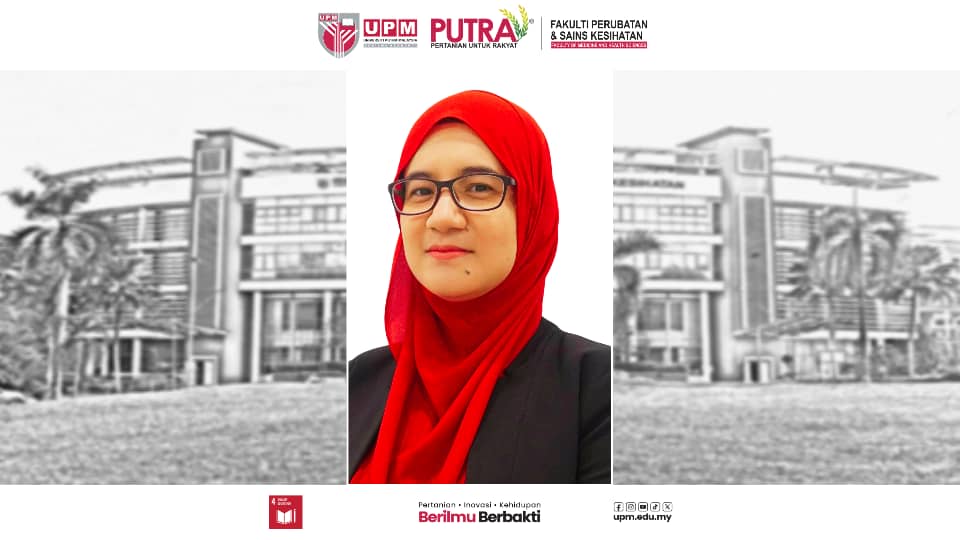
Dr. Melissa Anne Nunis
Lecturer and Paediatrician
Department of Paediatrics
Faculty of Medicine and Health Sciences
Universiti Putra Malaysia
Date of Input: 19/03/2025 | Updated: 20/03/2025 | nadia_rahman
MEDIA SHARING




.png)
.png)