Haemophilia: Diagnosis – The First Step to Care
Every year on World Haemophilia Day, we are reminded of the importance of awareness, early detection, and proper care for people living with bleeding disorders. Haemophilia, though rare, is a lifelong condition that can be managed effectively when diagnosed early.
Haemophilia is a genetic condition where the blood doesn’t clot properly due to a lack of clotting factors. This means even minor injuries can lead to prolonged bleeding. In severe cases, bleeding may occur inside joints or muscles without any obvious injury, causing pain and long-term damage if untreated.
Why Diagnosis Matters
Without a clear diagnosis, haemophilia can remain hidden until a serious bleeding episode occurs. Early diagnosis is crucial because it:
-
Prevents complications: Identifying haemophilia early helps avoid dangerous bleeding episodes.
-
Guides treatment: Doctors can provide factor replacement therapy or other tailored care.
-
Supports families: Knowing the condition allows families to prepare, protect, and support children from the start.
-
Raises awareness: A confirmed diagnosis helps connect patients with support groups and resources worldwide.
Diagnosis usually begins with a medical history, looking at patterns of unusual bleeding or family history. Followed by blood tests to measure clotting factor levels, genetic testing to confirm inherited haemophilia and evaluation to determine severity (mild, moderate, or severe). This process ensures that care is personalized and effective.
For families, receiving a haemophilia diagnosis can feel overwhelming. But it also brings clarity. Instead of living with uncertainty, families gain knowledge and tools to protect their loved ones. With diagnosis comes empowerment: parents learn how to manage injuries, children receive the right treatment, and adults can plan their lives with confidence.
Haemophilia cannot be cured, but it can be managed. Once diagnosed, patients can access preventive treatment to reduce bleeding risks, education on safe activities and lifestyle choices and community support through haemophilia foundations and networks.
On World Haemophilia Day, the message is clear: Diagnosis is the first step to care. It transforms fear into knowledge, and uncertainty into action. By recognizing the signs, seeking medical advice, and confirming the condition, families and patients take the most important step toward living healthier, safer lives.

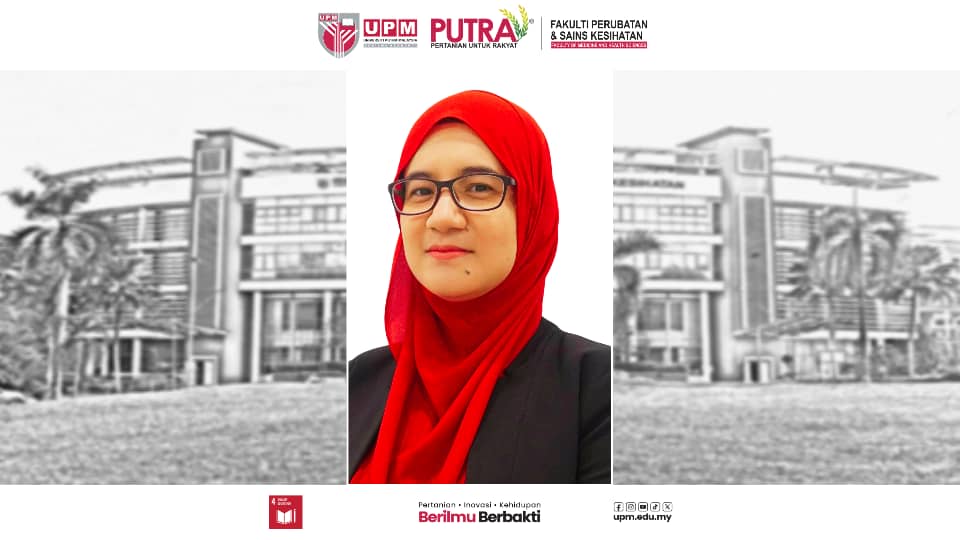
Associate Professor Dr. Zainina Seman
Associate Professor (Medical) Haematology
Department of Pathology
Faculty of Medicine and Health Sciences
Universiti Putra Malaysia
Date of Input: 13/04/2026 | Updated: 13/04/2026 | nadia_rahman
MEDIA SHARING





.png)
.png)