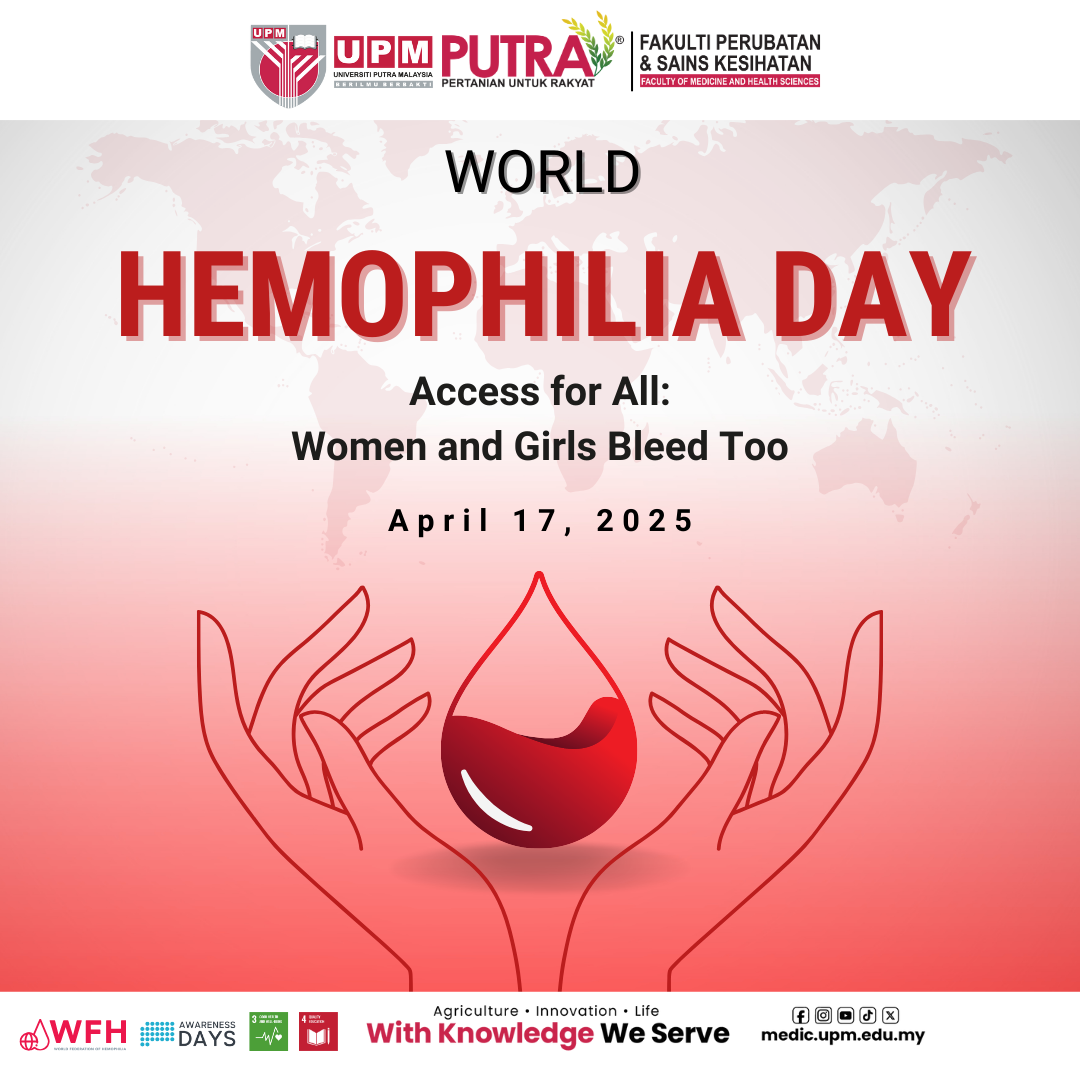
Bleeding disorders: When menstruation is no longer 'normal'.
Haemophilia is a bleeding disorder commonly associated with males. In the past, many recognised the condition because boys with haemophilia were often unable to undergo circumcision due to the risk of severe bleeding. It is rare to encounter girls suffering from serious forms of hemophilia.
During the 19th and 20th centuries, hemophilia was known as the "royal disease" as it affected Queen Victoria of England and various European royals families. The Queen was known as a haemophilia carrier, and the genetic disorder was passed down to her descendants through royal marriages. Several of the queen's sons reportedly died young due to severe bleeding.
However, the notion that bleeding disorders affect only male is no longer accurate. While women are often seen merely as carriers of haemophilia gene, many experience bleeding symptoms that significantly affect their quality of life – yet go unrecognised, undiagnosed, and even not taken seriously.
This is the key message highlighted in conjunction with World Hemophilia Day 2025 with its theme: “Access for All: Women and Girls Bleed Too”. It highlights the need to recognise bleeding symptoms in women and girls , including :
- heavy or prolonged menstrual bleeding,
- easy bruising.
- excessive bleeding after childbirth or minor procedures.
Many bleeding disorder that are not haemophilia – such as von Willebrand disease or platelet function disorder – also occur in women. However, diagnosis is often delayed, leaving many to endure persistent pain and discomfort without understanding the underlying cause.
Statistics and Awareness in Malaysia
According to the 2021 Global Survey Report by the World Federation of Hemophilia, Malaysia recorded approximately 1,140 individuals with hemophilia and 133 with Von Willebrand disease. While the figures may appear small, they likely reflect limited awareness, underdiagnosis and low reporting and referral.
Some women suffer from heavy menstrual bleeding that affects their work and social life. Yet, due to lack of awareness, these symptoms often dismissed as ‘usual’ or ‘normal’, and medical referral is not made for further investigation. There are also who miss out on proper treatment because of limited access to specialist services.
These symptoms should not be taken lightly. Without proper referral and investigation, the diagnosis is often only made when serious complications arise – such as excessive bleeding after minor surgery or during childbirth.
When To Take it Seriously
Women and girls should be alert if they experience the following symptoms:
- Menstruation lasting more than 7 days consistently, with heavy bleeding.
- Frequent changes of sanitary napkins or use double protection at night.
- Anemia caused by menstrual blood loss.
- Unexplained large bruises .
- Excessive bleeding after dental work, childbirth or minor surgery.
- Family history of similar bleeding symptoms.
These symptoms should never be ignored. Bleeding disorders are more than just a physical concern – they can affect emotional well-being and social functioning , often leading to shame, stigma and difficulty leading a normal life.
Family, Community and Health System Support
Girls and young women should be encouraged to speak up and feel heard. They deserve guidance in understanding their bodies and given full support when they need it.
Parents, teachers and the community should be educated to recognise early signs and encourage timely professional care. Healthcare professionals also require continous training to better identify bleeding symptoms in women, enabling prompt referral to a hematologist and early intervention to prevent complications.
Accurate diagnosis often requires blood tests and in some cases, specialised investigations. Treatments including medication that suppport blood clotting are availbale and can help to control bleeding . Most importantly, no woman should have to suffer in silence.
Access Begins with Awareness
If you, your family member or someone you know is experiencing unusual bleeding symptoms — such as heavy periods, easy bruising, or prolonged bleeding after minor procedures — don’t ignore it. Consult a healthcare professional and request a referral to the relevant specialist. Timely diagnosis and appropriate treatment not only improve quality of life but also help to prevent serious complications.
Family and community support plays an important role. Emotional support, understanding of symptoms, and encouragement to seek care can be key factors in ensuring someone gets the help they need.
Awareness, compassion, and early action are the first steps toward better healthcare. Don’t wait until it’s too late — act today for your well-being and your loved ones.
Access for all is not just a slogan — it’s a call for justice and humanity.
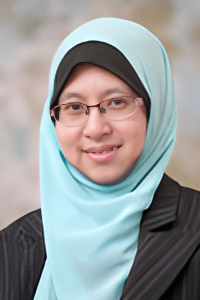
Dr. Faridah Idris
Hematologist
Senior Medical Lecturer
Department of Pathology
Faculty of Medicine and Health Sciences
Universiti Putra Malysia
Date of Input: 16/04/2025 | Updated: 16/04/2025 | nadia_rahman
MEDIA SHARING





.png)
.png)