WORLD HEPATITIS DAY: LET’S BREAK IT DOWN
Every year on 28 July, the world marks World Hepatitis Day—a global awareness day dedicated to highlighting hepatitis, a potentially life-threatening liver infection that often goes undetected or untreated. This year, the World Health Organization (WHO) introduces the theme “Hepatitis: Let’s Break It Down.”
This theme is more than just a slogan. It is a call to action for us to dismantle the confusion, stigma, and barriers that prevent people from understanding, testing for, and treating hepatitis. Many people still don’t fully understand what hepatitis is, how it spreads, or why early testing and treatment are so important.
What is Hepatitis?
Hepatitis refers to inflammation of the liver, which can be caused by various factors such as viral infections, excessive alcohol use, exposure to certain toxins, or autoimmune conditions. The most concerning, however, are viral hepatitis infections, particularly hepatitis B and C. These types of hepatitis can lead to chronic infections that may eventually cause serious complications such as liver cirrhosis and liver cancer. What’s most alarming is that many people infected with hepatitis show no symptoms in the early stages. By the time they realize something is wrong, significant liver damage may have already occurred. This is why early screening is so critical.
Hepatitis: A Global Health Concern
It is estimated that more than 300 million people worldwide are living with hepatitis B or C. Each year, over one million people die from complications related to hepatitis. In Malaysia alone, around 80,000 cases of hepatitis B and C were reported between 2013 and 2023. These figures put hepatitis ahead of diseases like HIV and malaria in terms of global mortality. The irony is that hepatitis is both preventable and treatable—yet awareness remains low. Many people are unaware they have it, and many more have never been tested or started treatment, resulting in diagnoses at more advanced stages of the disease.
Let’s Break It Down: What Does It Mean?
When we say “Let’s Break It Down” in the context of hepatitis, we’re talking about breaking through the barriers that prevent people from getting the help they need. First, let’s break the confusion and misconceptions. Hepatitis isn’t just a disease linked to poor lifestyle choices. It can be spread through various means—including unprotected sex, sharing of needles, or transmission from mother to child during childbirth. Accurate information and public health education are our strongest tools in stopping the spread of the disease.
Second, let’s break the barriers to testing and treatment. Many people avoid hepatitis screening out of fear or stigma. Some are unaware that hepatitis C is now curable, and hepatitis B can be effectively managed with antiviral medications.
Third, we must break the social stigma. People living with hepatitis often face discrimination at work, in school, or in the community. This only makes things worse, as the fear of rejection keeps many from seeking the care they need. As a society, we must shift our mindset from judgment to support.
Looking Toward 2030
WHO has set a goal to eliminate hepatitis as a public health threat by 2030. This is not a far-fetched dream—it is achievable, but only if everyone plays their part. We need more awareness campaigns, easily accessible screening, early vaccination (especially for hepatitis B), and a healthcare system that supports long-term treatment for those affected. As individuals, we all have a role to play. Know your health status—get tested if you’re in a high-risk group. Encourage others to do the same. Offer support to those undergoing treatment. Most importantly, spread accurate information.
In Closing
“Hepatitis: Let’s Break It Down” is a reminder that in order to eliminate hepatitis, we must clear the confusion, tear down the stigma, and build a path toward fair and accessible treatment for all. Let’s take action—for ourselves, our families, and our communities. Because every small step we take today could save a life tomorrow.

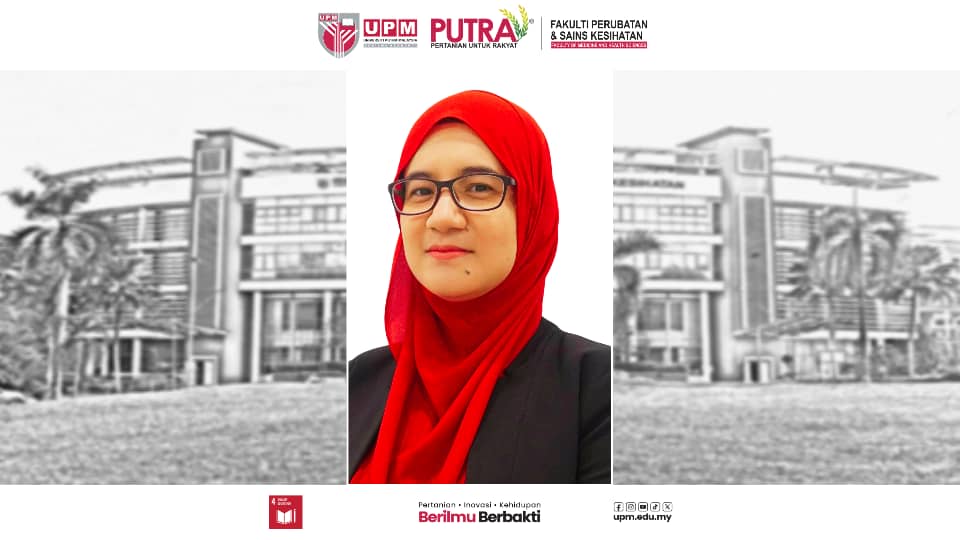
Dr. Norashiqin Misni
Senior Lecturer
Department of Medical Microbiology
Faculty of Medicine and Health Sciences
Universiti Putra Malaysia
Date of Input: 29/07/2025 | Updated: 29/07/2025 | nadia_rahman
MEDIA SHARING





.png)
.png)