Revealing the Hope and Wonder of Fertility Technology
Every couple who dreams of having a baby understands the meaning of hope.
With the advancement of medical science, fertility treatments such as In Vitro Fertilization (IVF) have opened up new opportunities for millions of couples around the world who are struggling with fertility problems. In Malaysia, infertility is estimated to affect around 10 to 15 percent of couples in the reproductive age range. The country's Total Fertility Rate (TFR) has also shown an alarming downward trend, from 4.9 births per woman in 1970 to only 1.6 in 2023. This figure is not only below the recommended population replacement rate (2.1) but is also lower than the current global TFR which is estimated to be around 2.3 births per woman.
World IVF Day, celebrated in July, is recognized as a tribute to the achievements of assisted reproductive technology (ART), specifically IVF which has brought joy to over 8 million IVF babies born since its first success in 1978.
As a fertility specialist at UPM, I see IVF as not just a technology, but also a symbol of hope — a combination of scientific effort, ethics, and empathy for couples in need. In Malaysia, the demand for IVF treatment is increasing, in line with public awareness of safe, effective, and ethical fertility treatment options.
How Does IVF Help?
IVF involves the process of fertilization outside the uterus — eggs and sperm are combined in a laboratory, then a healthy embryo is transferred into the uterus. This method is particularly beneficial for couples with:
- Blocked Fallopian tubes
- Endometriosis
- Low sperm quality
- Unexplained infertility
- Fertility preservation treatment for cancer patients
Hope for the Future
In the academic medical landscape, IVF research now encompasses genetic technology, preimplantation genetic testing (PGT), optimization of embryo culture media, and even a holistic approach involving emotional, nutritional, and lifestyle support.
As a caring university, we aim to continue to educate, support, and open access to quality, sustainable, and inclusive fertility treatments.
When Should You Seek Fertility Treatment?
Couples are advised to seek expert advice if:
- Failed to conceive after 12 months of trying (or 6 months if you are 35 years old or older).
- Have irregular periods or no periods at all.
- Have a history of recurrent miscarriages.
- Have been diagnosed with sperm problems.
- Have undergone treatment or surgery that may affect fertility.
On World IVF Day, let's appreciate every effort and individual behind the scenes — embryologists, fertility nurses, reproductive scientists, and all those dedicated to making the dream of a family a reality.
To the couples out there, never give up hope — knowledge, technology, and support are always evolving for you.
Call us:
For more information or to make an appointment, please contact us at O&G clinic, Hospital Sultan Abdul Aziz Shah (HSAAS), UPM/ Putra Fertility Centre (PFC):

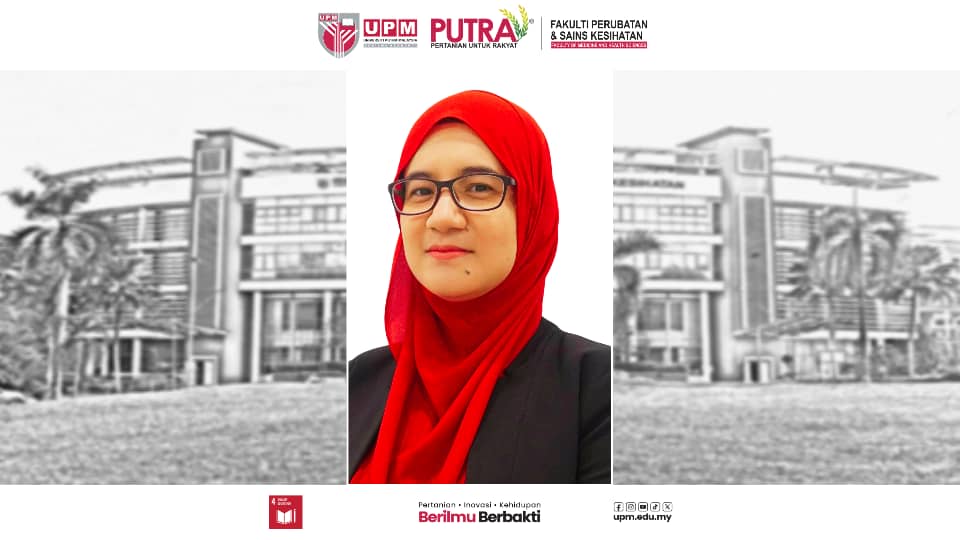
Assoc. Professor Dr. Habibah Abdul Hamid
Reproductive Medicine and Fertility Consultant
Head Putra Fertility Centre
Department of Obstetric and Gynaecology
Hospital Sultan Abdul Aziz Shah (HSAAS)
Universiti Putra Malaysia (UPM)
Date of Input: 25/07/2025 | Updated: 25/07/2025 | nadia_rahman
MEDIA SHARING





.png)
.png)