“Malaria Ends With Us: Reinvest, Reimagine, Reignite”
Malaria is a life-threatening parasitic disease. Almost half of the world population are at risk of malaria and eighty-three countries were categorized as endemic in 2023. The global incidence of malaria recorded a total of 236 million cases in 2023, and malaria-related deaths were estimated at 597 000. Malaria infection is widespread in the tropical and subtropical region of the world and African countries continue to be the main region carrying the heavy burden of the disease. The region accounted for an estimated 94% of malaria cases worldwide. Malaria is also associated with poor countries and the burden of widespread infection has further impoverishing the people, reducing their productivity and weakening the affected country’s economies.
Malaysia has entered the elimination phase of malaria control since 2011. Nevertheless, the emergence of zoonotic malaria from Plasmodium knowlesi infection in Sabah and Sarawak is somehow quite alarming. This zoonotic malaria has become a significant public health concern, especially among aborigines in remote and less developed areas. A total of 3290 knowlesi malaria were reported globally in 2023 and Malaysia is the principal contributor, accounting for 87% of the cases. Fourteen malaria-related deaths were recorded in Malaysia in 2023 and all due to P. knowlesi. Imported malaria cases among immigrants, travellers and foreign workers who came from the endemic countries has contributed to sporadic cases and increased the threat of re-emergence of the disease. The increasing trend of imported malaria cases could well be a health threat that Malaysia would face in the future.
Malaria infection in human is caused by protozoan parasite called Plasmodium. There are five related species of Plasmodium that infect human, i.e., Plasmodium falciparum (P. falciparum), P. vivax, P. ovale, P. malariae and P. knowlesi. Vivax malaria is the most common worldwide, while falciparum causes the most severe and deadly form of malaria. P. knowlesi is a zoonotic parasite which primarily infect monkeys. Female Anopheles mosquito is the vector for malaria transmission. The parasites spread when an infected mosquito bites a person, injecting the parasite into the bloodstream where they multiply. Malaria parasites spend half of their life cycle in the mosquito and the other half in human being.
Malaria infection causes symptoms that can ranged from mild to severe which include fever, fatigue, muscle pain, vomiting and headaches. In severe cases, it can cause jaundice, anaemia and seizure. In falciparum malaria, delayed treatment can cause organ failure, coma and death. Symptoms of malaria usually appear around 10–15 days after the mosquito bite. Malaria is a treatable disease and antimalarial medications can usually resolve the infection but it is crucial to initiate treatment as soon as possible. Artemisinin-based combination therapy (ACTs) is currently considered as the frontline therapy for malaria. Other antimalarial drugs include chloroquine, primaquine, halofantrine, mefloquine, doxycycline, proguanil etc. Many malaria parasites have developed resistance to common antimalarial drugs posing challenges in dealing with the disease.
Malaria prevention can be initiated through vaccination. While malaria vaccine is not widely available, as of 2023 two vaccines, the RTS,S and R21, have been approved and are now recommended for use in children in high-risk areas. Other preventive measures include reducing the exposure to mosquito bites and controlling mosquito population. Protective clothing, bed nets and insect repellents can provide protection while traveling to endemic areas. Preventive medicine can be taken before, during and after a trip to a high-risk area.
While malaria is preventable and treatable, it still poses serious threat to millions of people in endemic regions. Achieving global malaria control and eventual eradication would require holistic efforts including improvement of public health infrastructure, increasing access to diagnostics and treatment and investing into all the preventive measures possible.

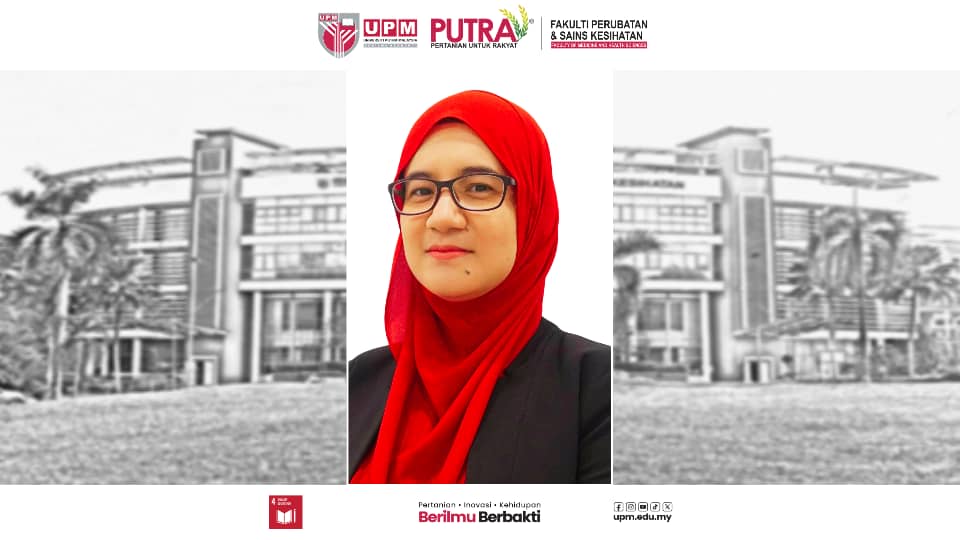
PROF. DR. RUSLIZA BASIR
Malaria Researcher/Scientist
Professor
Department of Human Anatomy
Faculty of Medicine and Health Sciences
Universiti Putra Malaysia
Date of Input: 24/04/2025 | Updated: 24/04/2025 | nadia_rahman
MEDIA SHARING





.png)
.png)