Since 2019, the World Health Organization has marked 17 September as World Patient Safety Day, calling for global solidarity to eliminate avoidable harm in health care. The 2025 theme, 'Safe Care for Every Newborn and Every Child', reminds us that safety must begin at birth and continue throughout childhood.
Safe care for every newborn and child is not optional. It is a duty shared by healthcare providers, families, and communities. This article highlights four urgent areas where Malaysia must act to strengthen patient safety: safe delivery, immunisation acceptance, health literacy for timely care, and equity in access.
In this context, newborns and children are considered patients whenever they need care—during birth, vaccination, treatment of illness, or when seeking urgent medical attention. Ensuring their safety means preventing avoidable harm at every stage of care, from delivery rooms to immunisation clinics and community health services.
Safe Delivery and Neonatal Care
Every child deserves to be born in a safe environment under skilled supervision. Yet, Malaysia continues to see cases of abandoned babies and deliveries in unsafe settings or assisted by unauthorised individuals. These situations put both mother and baby at risk of infection, birth injuries, and preventable death.
Solutions include strengthening reproductive health education, ensuring respectful maternity care in facilities, and providing safer alternatives for mothers who are reluctant to deliver in large institutions.
Immunisation Acceptance
Vaccination is one of the safest and most effective ways to protect children. In 2024, measles cases nearly doubled. With coverage remaining low in some areas, the Health Ministry launched a supplementary immunisation campaign for all children aged six to 59 months.
Parental vaccine hesitancy leaves children vulnerable to preventable diseases, complications, and even death. This is a patient safety concern, as gaps in immunisation represent avoidable harm within the health system.
Healthcare workers must counsel parents with empathy and accurate information. Parent-centred education that directly addresses common concerns and misconceptions about vaccines is crucial to rebuilding public trust.
Health Literacy and Timely Care
Safe care also means recognising an unwell child early and seeking treatment without delay. In children, severe diarrhoea can quickly cause dangerous dehydration if medical attention is postponed.
Some caretakers try home remedies first or seek help only when the child is already very sick. Such delays increase the risk of serious illness and even death.
Improving health literacy among caretakers is key. Clear instructions during clinic visits, community campaigns on warning signs, and simple health messages shared through social media or short videos can help families know when to act quickly.
Equity and Access to Safe Care
Patient safety must reach all children, not only those in urban or well-resourced settings. Children in rural communities, low-income families, and refugee populations face barriers to safe delivery, timely vaccination, and essential treatment.
Antenatal care and skilled birth attendance may be out of reach for some women. Refugee mothers in Malaysia, for instance, struggle to access affordable and safe maternity services.
For these vulnerable groups, a more organised pathway of maternal and child care is urgently needed. Clear referral systems and affordable access points would reduce unsafe home deliveries and preventable complications.
These priorities align with the Health White Paper and Sustainable Development Goal 3 (SDG 3), which call for safe, equitable, and high-quality care. Research that actively involves patients and the public, in line with UPM’s mission of universal human advancement, can ensure findings translate into practical, tailored changes for safer care.
Unsafe deliveries, vaccine gaps, delayed treatment, and inequitable access continue to put our children at risk of avoidable harm. By strengthening delivery safety, boosting immunisation, empowering families with health literacy, and ensuring equitable access, Malaysia can make meaningful progress towards WHO’s vision.
When safety is placed at the centre of care, every child is given the chance to thrive from the very first moments of life.

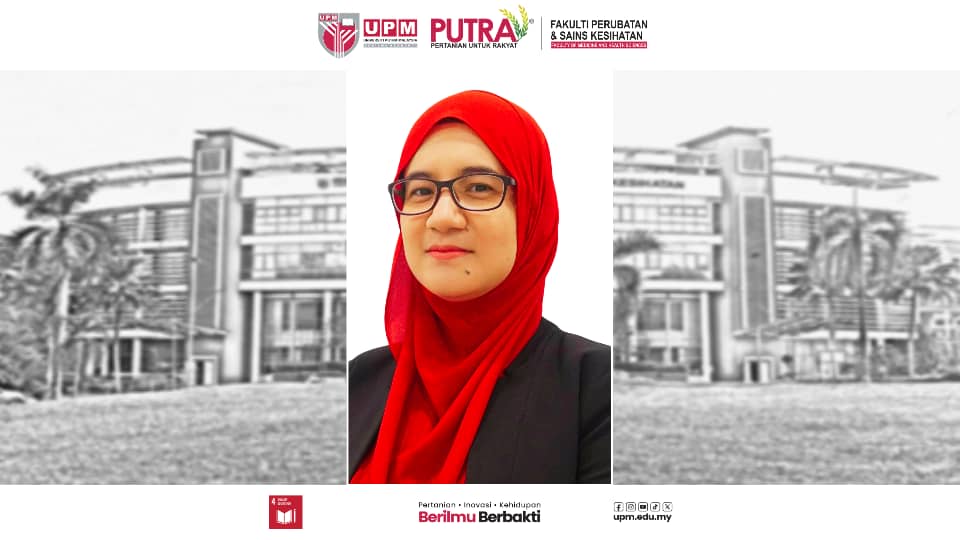
Dr. Lau Hung Chiun
Medical Lecturer and Family Medicine Specialist
Department of Family Medicine
Faculty of Medicine and Health Sciences, Universiti Putra Malaysia
Field of Expertise: Primary Care, Non-communicable Disease, Maternal and Child Health
Email: hungchiun@upm.edu.my
Date of Input: 17/09/2025 | Updated: 22/09/2025 | nadia_rahman
MEDIA SHARING





.png)
.png)