Empowering young people to create the families they want in a fair and hopeful world
World Population Day is celebrated annually on July 11 and recognised by the United Nations, and this year it carries the theme: Empowering young people to create the families they want in a fair and hopeful world.
Malaysia’s population in 2025 is estimated at 34.95 million, with a median age of 33.3 years and a fertility rate of 1.89, below the replacement level. Furthermore, 30.2% of the population is under 19, while the working-age group (20–64) makes up 61.6%. This demographic window is an opportunity, but only if youth are enabled to make informed, voluntary choices about starting a family. The long-term challenges with a decline in population growth include an ageing population and a shrinking workforce.
According to the United Nations, empowering youth to create the families they want is central to sustainable development and social stability. Globally, 1.8 billion young people aged 10–24 represent the largest youth generation in history. The World Health Organization stresses the importance of adolescent-friendly reproductive health services to prevent unintended pregnancies and support youth aspirations.
Rising living costs, job insecurity, and limited access to affordable housing are among some factors that drive many to delay marriage or limit family size, impacting national demographic balance. On top of that, adolescents and young adults (AYAs) in Malaysia face multiple health challenges that affect their ability to plan and build families confidently.
Immediate solutions are needed to address these barriers for AYAs and later when they are part of the workforce. The following are some measures we can work on to minimise it:
- Enhance reproductive health education in schools and post-secondary education institutions, focusing on informed decision-making and access to services. This may include optimising digital platforms for AYA-friendly family planning information, ensuring privacy and accessibility.
- Provide a safe space for AYAs to access affordable health consultations including for mental-health issues, sexual-reproductive health and contraception, without stigma and with assured confidentiality. The WHO also states that adolescent-friendly health services improve outcomes in sexual health, mental well-being, and overall quality of life.
- Expanding targeted housing schemes for young adults, ensuring transparent and fair distribution. This helps provide a secure environment conducive to young families.
- Providing flexible childcare subsidies and improving workplace childcare centres to reduce the burden on young families.
- Strengthened collaboration between the government, the private sector, and NGOs to monitor and evaluate the effectiveness of these interventions.
In conclusion, I strongly support policies and innovations that integrate adolescent and young adult health perspectives into policies, thereby empowering Malaysian youth to build the families they desire and contribute to the country's overall sustainable development and the well-being of future generations.

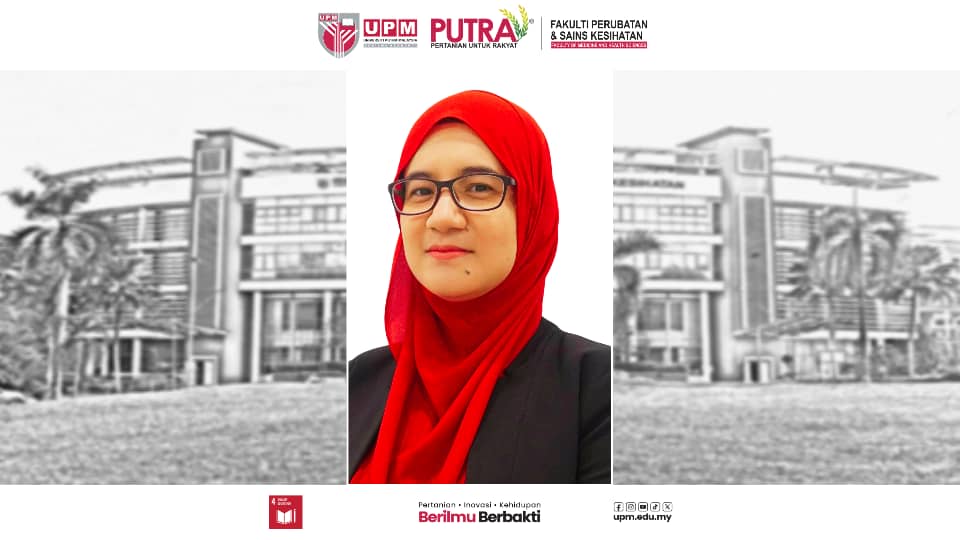
Dr. Nurainul Hana Shamsuddin
Senior Lecturer and Head
Department of Family Medicine
Faculty of Medicine and Health Sciences
Field of expertise: Family Medicine, Adolescent Health
Email: nurainul@upm.edu.my
Date of Input: 11/07/2025 | Updated: 05/02/2026 | nadia_rahman
MEDIA SHARING





.png)
.png)